Stopping Common Plumbing Problems in Your Home: Expert Advice
Information HereAre you currently on the lookout for advice on How to Deal With and Prevent Common Plumbing Problems?
Introduction
Maintaining a useful plumbing system is essential for a comfortable home. By taking safety nets, you can avoid typical plumbing problems that might disrupt your life and incur pricey repair work.
Routine Maintenance Checks
Frequently examining your plumbing system is essential for determining potential problems before they intensify. Examine pipes, taps, toilets, and home appliances for leakages, rust, or indicators of wear and tear.
Watch What You Flush
Be mindful of what you flush down your commodes. Prevent purging items such as wipes, cotton balls, sanitary items, and paper towels, as these can create obstructions and backups in your pipes.
Proper Disposal of Grease and Food Waste
Dispose of grease, oils, and food scraps appropriately to stop build-up in your pipelines. Avoid pouring grease down the drain, as it can solidify and create clogs. Make use of a filter in your kitchen sink to capture food fragments and vacant it consistently.
Display Water Pressure
Keep an eye on your water stress to avoid stress on your pipelines and home appliances. High water pressure can bring about leakages and damage with time. Think about mounting a stress regulator to keep ideal water pressure throughout your home.
Shield Pipes from Freezing
During winter, take steps to stop your pipes from cold. Protect revealed pipes, particularly those in unheated locations like basements and attic rooms. Allow faucets to leak throughout freezing temperatures to stop water from freezing in the pipes.
Address Leakages Quickly
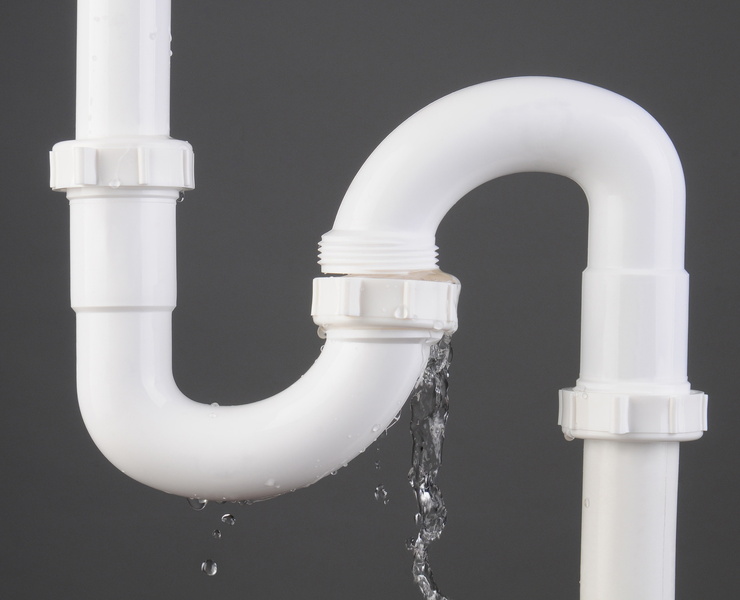
Attend to any leaks or drips as quickly as you see them. Even minor leakages can waste water and create damages to your home in time. Tighten loose fittings or change worn-out seals to prevent leakages from getting worse.
Be Mild with Plumbing Components
Stay clear of making use of extreme force when operating plumbing fixtures such as taps and shutoffs. Rough handling can cause wear and tear, leading to leaks and various other breakdowns.
Routine Drain Cleansing
Arrange regular drainpipe cleansing to avoid buildup of hair, soap residue, and other debris. Make use of a drain serpent or enzymatic cleaner to get rid of obstructions and preserve smooth water drainage.
Set Up Water Softeners
Take into consideration setting up a water conditioner if you have difficult water. Tough water can create mineral buildup in your pipes and home appliances, bring about minimized water flow and performance.
Inform Household Members
Enlighten everybody in your household regarding correct plumbing methods. Educate them what ought to and should not be flushed or disposed of down the tubes to stop avoidable plumbing issues.
Verdict
Preventing usual plumbing issues in your home needs persistance and regular maintenance. By complying with these safety nets, you can make sure that your plumbing system runs efficiently and prevent costly fixings in the future.
Common Plumbing Problems Most Homeowners Face
When encountering problems with their plumbing, people sometimes attempt to fix them using DIY methods rather than call expert plumbers. But let’s face it; while DIY repairs may seem like a less expensive option, the reality is that in the long run, they often turn out to be more expensive, especially if you don’t have the expertise and tools many of these plumbing fixes require.
This post will highlight some of the most common plumbing problems facing homeowners. Because, as they say, knowing is half the battle—and knowing how to spot the tell-tale signs of various plumbing issues can help you in preventing them.
Dripping Faucets
One of the most common plumbing issues at home is dripping faucets. At some point, all homeowners and renters will experience a continually dripping faucet, which can be annoying and cost you money.
Besides the annoying sound, dripping faucets result in water wastage and an increased water bill. It’s astounding how quickly little drops of water can add up to a larger amount. For example, experts estimate that one faucet dripping at the rate of one drip per second accounts for 3,000 gallons of water annually, equivalent to 180 showers. Furthermore, studies show that fixing leaks helps save up to 10 percent on your water bill.
Dripping faucets are usually caused by a worn-out internal washer or O ring, which you can easily replace. Another cause of a dripping faucet may be corrosion or improper faucet installation.
Clogged Drains And Toilets
Another example of the most common plumbing problems is clogged drains and toilets. Clogged drains and toilets are characterized by water backing up as you shower or empty a sink. The most commonly used method to clear clogged drains and toilets is to use a plunger or a plumber’s pipe snake.
When attempting to unclog a drain pipe, you may be tempted to use a commercial drain cleaner. But by doing so, you run the risk of damaging your pipes and causing harm to the environment. Commercial drain cleaners may prove helpful in preventing hair, soap, toilet paper, and toothpaste from clogging your drains, but they may not be as effective against other blockages, like brush bristles or toothpaste caps.
You can fix a blocked drain using routine drain cleaning material and prevent further drain clogging by installing a drain guard. However, multiple clogged drains are a red flag indicating severe drainage blocks and a possible plumbing emergency. If you have multiple blocked drains, this is a situation best handled by expert plumbers.
Problematic Water Heaters
This plumbing issue is easy to spot because you get ice-cold water from your shower rather than pleasant warm water. If your water heater provides little to no hot water, you might be dealing with a plumbing crisis. Other plumbing problems that involve the water heater include:
Sediment buildup Corrosion or rust Broken valves Dripping water Water discoloration Inexplicable noises Unpleasant smell from bacteria buildup Low Water Pressure
Another of the most common plumbing problems is leaky faucets. Leaky faucets produce a continually annoying dripping sound and can cause weaker water pressure.
Low water pressure can occur suddenly or gradually develop over time. Low water pressure makes it difficult to do everyday chores, like rinsing, washing dishes, and showering, so fixing the utilities causing the low pressure should be a priority.
Low water pressure can result from any number of issues — the most common being water leakage from broken, corroded, or worn-out pipes.
Sewer System Backup
Nothing is as nasty as a sewer backup. It has a horrid smell accompanied by offensive waste material. There needs to be more than a DIY home plumbing repair to address this plumbing problem. If your drains and toilets are not working as they should, a sewer backup will likely happen soon, and you will have a real plumbing emergency.
Expert plumbers can save you from this unhygienic problem and expensive water damage repair. All you have to do is call them immediately. The faster you act, the better your chances of minimizing collateral damage.
Key Takeaway
While plumbing problems may be commonplace, they don’t necessarily have to be a major burden. You can save time, money, and frustration by being aware of homeowners’ typical plumbing problems and taking appropriate actions to prevent them. Remember, if you’re ever unsure how to handle a plumbing problem, it’s always better to consult a professional plumber who will guarantee to fix the problem properly.
https://absolutefix.com/blog/common-plumbing-problems-most-homeowners-face/
We hope you enjoyed reading our part about Common Plumbing Problems and How to Prevent Them. Thanks a lot for finding the time to read through our content. Kindly set aside a second to distribute this page if you enjoyed reading it. Thanks a lot for your time invested reading it.
Call